
The future of food is already growing. We build the infrastructure that gets it to market.
From smallholder farms to European shelves. Tsarona is a supply-chain layer that helps climate-resilient African crops reach new markets, with the transparency, compliance and fairness built into every step.
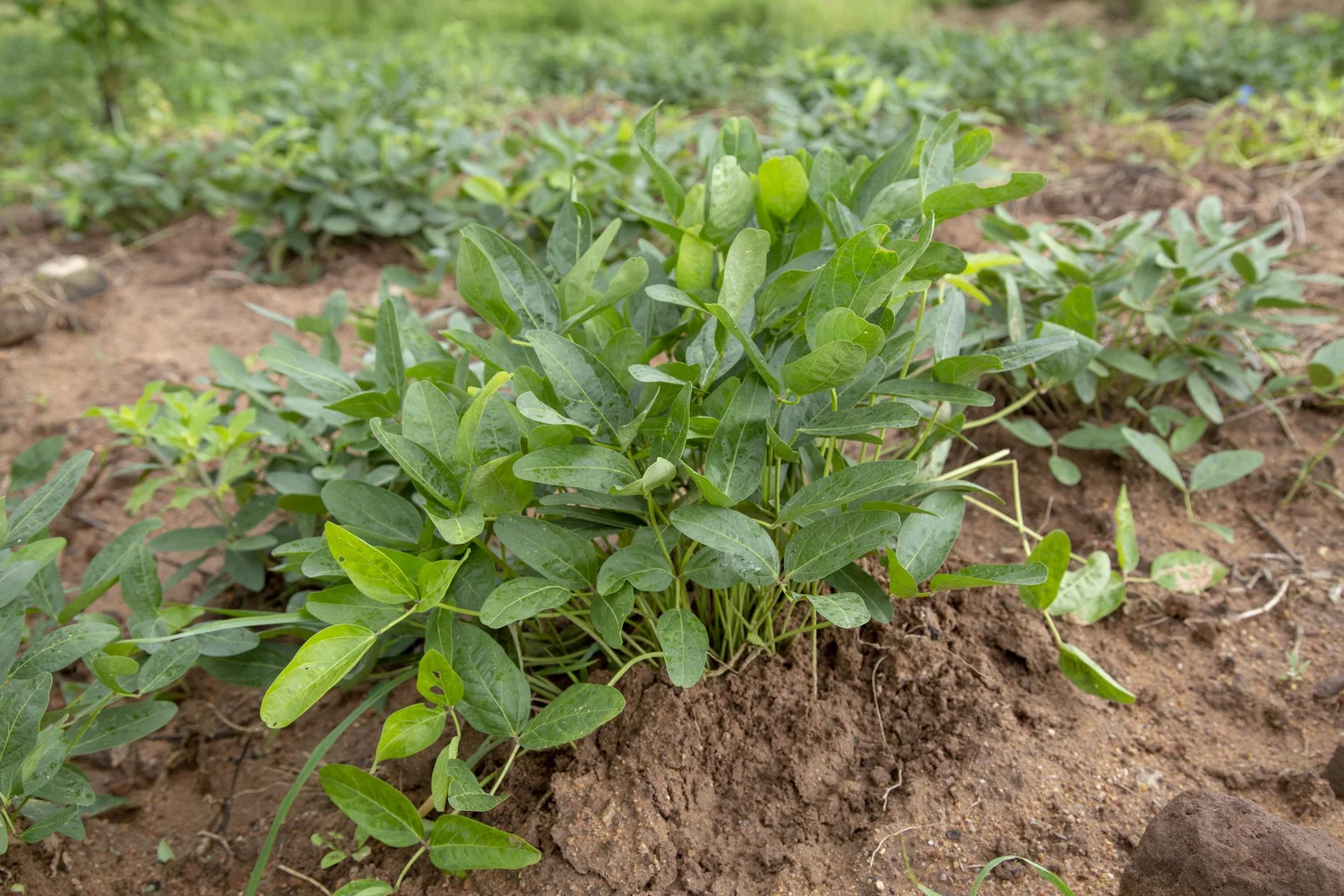 Climate-resilient · grown for 4,000 years
In Botswana, Bambara was not a superfood. It was simply food — and the market is what was missing.
Bamba Bites for offices, gyms, cafés & events.
Bring premium African superfoods to your business with a story to remember. Direct-trade, EU-approved and ready to ship across Germany. Let's innovate together.
Simple terms. Fast turnaround.
- Minimum Order4 boxes (120 balls) / 1 box = 30 energy balls
- Pricing€2.50 per ball (same as retail for now)
- Fulfillment & Shipping1 business day lead time / Germany-wide · free local delivery in Berlin
- SamplesAvailable before bulk orders / €1.00 per ball (all 3 flavours)
- Office Supply Model1 box/week (30 balls) = €300/month for your team
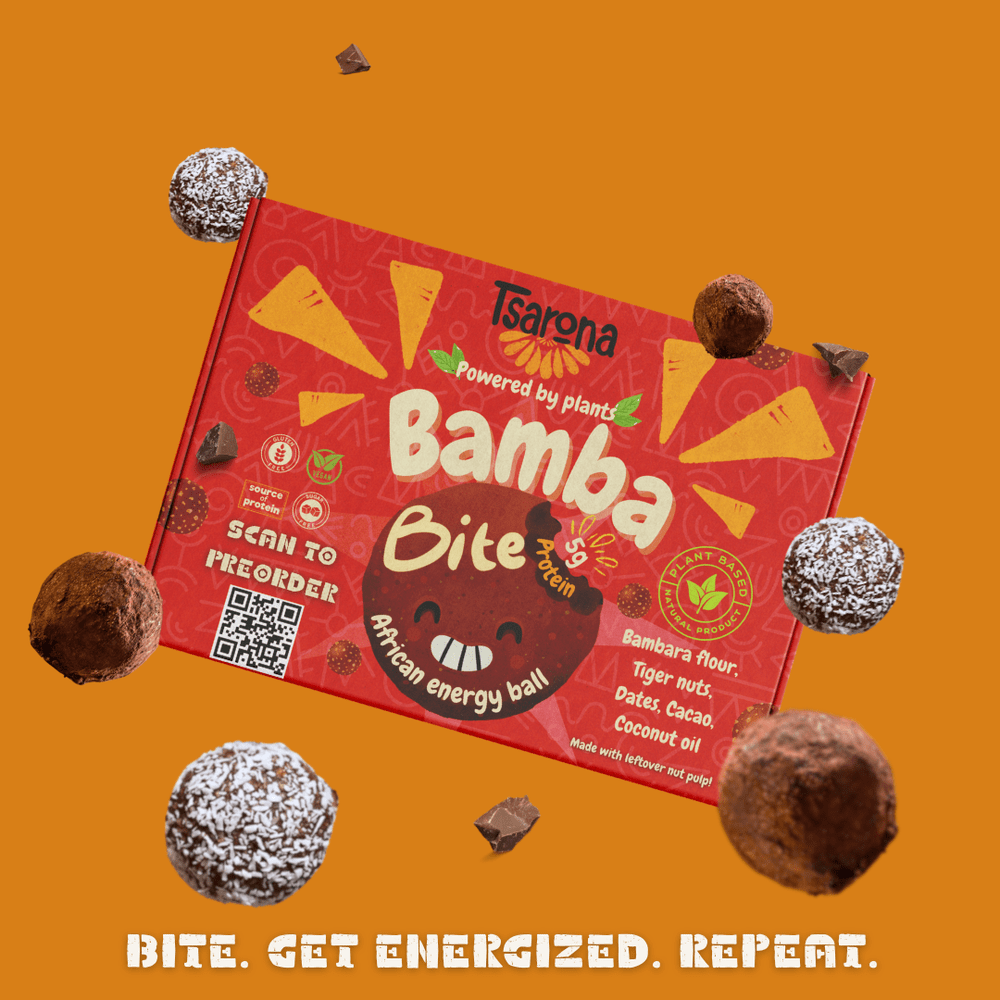 Offices · gyms · cafés · events
Two ways to work together.
Food Brands & Innovators
Looking to add authentic African superfoods to your product line? We supply premium ingredients with a story.
- Bulk Bambara nuts (roasted & raw)
- Baobab powder
- Moringa powder
- Hibiscus powder
- Custom blends & formulation
Corporates & Events
Serve Tsarona at your events, corporate wellness programs, or retail locations.
- Minimum order quantities
- Wholesale pricing
- Custom packaging available
- Farmer impact stories available
- Dedicated account support
Tell us what you need
Whether you're stocking a café, supplying a product line, or catering an event, we'll find the right way to work with you.
More than food. A new food system.
Tsarona is not simply a food brand. We're building an ecosystem that connects climate-resilient crops, smallholder farmers, scientific research, and modern food innovation, restoring biodiversity and strengthening rural livelihoods from the farm all the way to the consumer.
The six Tsarona pillars.
Climate-Resilient Crops
We begin with crops that have nourished communities for generations. Indigenous crops like Bambara groundnut are naturally resilient, nutrient-dense, and adapted to harsh climates, bringing them to market preserves traditional knowledge and creates new opportunity for farmers.
Farmer Networks
We work directly with farmer networks across Africa, building long-term partnerships and fair, reliable markets. Instead of extractive sourcing, we build collaborative value chains that empower farmers and strengthen rural economies.
Scientific Research
We collaborate with research institutions studying nutrition, crop resilience, and sustainable agriculture, measuring biodiversity restoration, soil health, and environmental impact so every crop is backed by scientific insight.
Traceability & Technology
Transparency is essential. We integrate supply-chain traceability, QR codes, and digital monitoring across the value chain, so consumers can trace the journey of their food from farm to plate.
Food Innovation
We transform climate-resilient crops into modern, delicious foods that fit everyday diets. Our first products, Bamba Bites and drinks, introduce Bambara through familiar formats, combining culinary creativity with food science.
Biodiversity & Markets
The most powerful way to protect biodiversity is to create markets for diverse crops. When farmers are rewarded for growing resilient indigenous crops, soils get healthier and ecosystems recover, proving biodiversity and business can grow together.
On the ground in Botswana.
Our grower programme partners directly with farmer organisations across Botswana — building the supply side of the rail through MOUs, agronomic collaboration, and direct-trade agreements that keep value with producers. Backed by our Ministry of Agriculture MOU and research partnership with NARDI (National Agricultural Research and Development Institute), the programme is how new Bambara hectares come into cultivation as European demand grows.
The future of food is diverse.
For decades, the global food system has relied on a handful of crops. By connecting farmers, science, technology, and food innovation, we're building a food system that's more resilient, more diverse, and more equitable for the future.